As a programmer, if you only focus on writing code, that won't do. You need to set aside some time to enrich your knowledge and read more books.
Here we recommend some good books for programmers, hoping they can be helpful to you.
The Zen of Design Patterns (2nd Edition)

This book is one of the three recognized classics in the field of design patterns. "Highly interesting, easy to understand, yet extremely rigorous and thorough in explanation" is the greatest feature of its writing style and approach. The first edition, published in 2010, has been a bestseller ever since and is widely acclaimed, making it a landmark work in this field. It provides an in-depth interpretation of the precise definitions, application methods, and best practices of the 6 major design principles and 28 design patterns, comprehensively compares the similarities and differences among various similar patterns, and explains in detail how to combine different patterns. The second edition improves on the first edition in two ways: on the one hand, it corrects and refines the flaws in the original content based on readers' comments and suggestions; on the other hand, it adds 4 new design patterns. We hope this edition can offer programmers an even more perfect feast of design patterns!
The Pragmatic Programmer
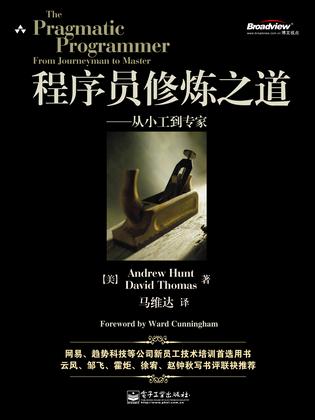
The Pragmatic Programmer consists of a series of independent sections, covering topics ranging from personal responsibility and career development to various architectural techniques used to keep code flexible, easy to adapt, and reusable. Using many entertaining anecdotes, thought-provoking examples, and interesting analogies, it comprehensively explains best practices and major pitfalls in many different aspects of software development. Whether you are a beginner, an experienced programmer, or a software project manager, this book is suitable for you.
Platform Strategy: The Business Model Revolution Sweeping the Globe
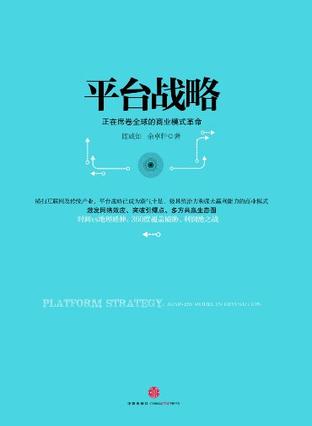
Platform Strategy: The Business Model Revolution Sweeping the Globe — Description: The essence of the platform business model lies in building a well-established "ecosystem" with strong growth potential. It has a unique system of precise rules and mechanisms that can effectively incentivize interaction among multiple groups and achieve the platform enterprise's vision. Looking at many companies around the world that have redefined industry architecture, we often find the key to their success — establishing a good "platform ecosystem" that connects two or more groups, bending and breaking the existing industry chain.
Once one group in the platform ecosystem grows due to increased demand, the demand of the other group will also grow accordingly. In this way, a virtuous cycle mechanism is established, and all parties communicating through this platform will also promote each other's unlimited growth. Achieving strategic goals through the platform model includes expanding scale and perfecting the ecosystem, as well as confronting competitors, and even dismantling the existing industry structure and reshaping the market landscape.
Internet Entrepreneurship Revelations

Internet Entrepreneurship Revelations is a startup guide for Internet companies, covering topics such as the current state and opportunities of website entrepreneurship, the value of startups, platform selection, tools and groups, fundraising, management and profitability, social media environments, execution management, developer methodology and productivity, and the role of the founder. It provides both programmatic guiding theories and specific operational methods. The book's large number of interviews with successful Internet entrepreneurs and success cases of startup companies can also serve as good references for first-time entrepreneurs.
Internet Entrepreneurship Revelations is mainly written for programmers who want to start their own businesses, but it is also suitable for non-technical people, including Internet entrepreneurs, college-student entrepreneurs, online marketing personnel, and all aspiring entrepreneurs. You don't necessarily need to understand technology to work on the Internet; Internet success can be learned from and extended!
Programmer's Health Guide
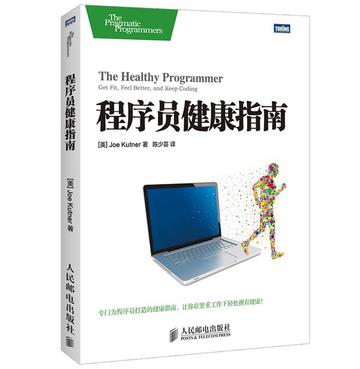
This book is a health guide tailor-made for programmers. For common problems such as headaches, eye fatigue, back pain, and wrist pain, it briefly explains their causes, testing methods, and lists daily action plans, providing detailed guidance on exercise, diet, and other aspects to help programmers easily stay healthy without changing their working style.
This book is suitable for programmers, other people who work at desks for long periods, and anyone who cares about their health.
Building the Web @ The Internet Product Manager Who Changes the World

This book takes how to create, launch, and promote Internet products as its main line, introducing the work content of an Internet product manager and the methods and tools needed for each part of the work. Creating value for users is the product manager's first priority. The product manager's work revolves around users and specific tasks. The book's rich cases and thorough analysis reveal the secrets behind the process from discovering users to ultimately satisfying them.
This book is aimed at entrepreneurs and product managers who are currently engaged in or will engage in Internet-related work in the future. It can also serve as a reference book for Internet product planners or students in related majors. The new edition improves each chapter and adds content such as graceful degradation. Readers can also gain a deeper sense of a product manager's insights from it.
Programmer Interview Logic Puzzle Analysis
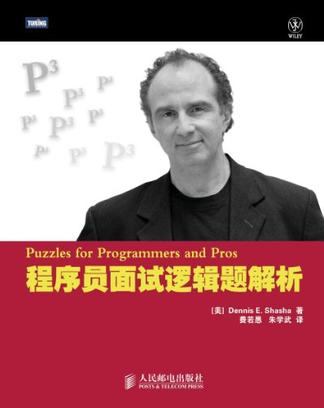
Programmer Interview Logic Puzzle Analysis is divided into three parts. The first part starts with interesting and mind-exercising puzzles, then gives problem-solving approaches and detailed answers, with "warm-up questions" providing ample room for thinking. The second part combines different types of puzzles, such as Sudoku, scheduling problems, and probability questions. The mysterious third part leads readers on adventures, using their brains to solve many problems involving passwords and bank accounts. Dozens of concise little puzzles not only fully exercise our way of thinking, but also lay a foundation for improving the success rate of interviews.
Programmer Interview Logic Puzzle Analysis is not only suitable for programmers to read, but is also a feast for puzzle enthusiasts.
Programmer, You Can't Afford to Be Hurt

This book is a selected collection of the author's blog articles. It is the author's mental journey and experience summary from 15 years of software development as a seasoned programmer and now IT entrepreneur. It covers the programmer's life, development experience, career planning, and entrepreneurial insights. It is of reference value to any software developer and IT practitioner. The author's language is witty and humorous, making it enjoyable to read. Between the lines is filled with the indomitable positive energy of a code farmer.
Think Like a Programmer
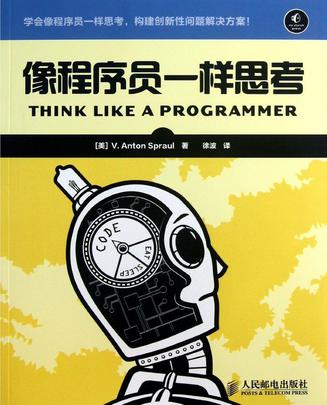
The real challenge of programming is not learning the syntax of a language, but learning to solve problems creatively in order to build wonderful applications. Think Like a Programmer analyzes how programmers solve problems and teaches you an ability that other books ignore: how to think like a programmer.
The entire book is divided into 8 chapters. Chapter 1 starts with several classic algorithm problems and summarizes the basic techniques and steps of problem solving. Chapter 2 solves several simple problems by actually writing C++ code, allowing readers to further appreciate the ideas and applications of problem solving. Chapters 3 to 7 are the main body of the book, discussing approaches and practical applications of solving problems with arrays, pointers and dynamic memory, classes, recursion, and code reuse. Finally, Chapter 8 summarizes and generalizes from the perspective of cultivating a programmer's mindset, telling readers how to think like a programmer.
The Art of Writing Readable Code

Details determine success or failure. Code that is clear in thinking and concise in expression is clear at a glance to programmers; code that is messy in formatting and long-winded leaves programmers baffled. In addition to running correctly, excellent code must have good readability — code should be written so that others can understand it in the shortest possible time. This book aims to emphasize the friendliness and readability of code to people.
This book focuses on coding details and summarizes many small techniques for improving code readability. They may seem trivial, but for the development of the entire software system, they are as important as high-level architectural decisions, design ideas, and guiding principles. Coding is not just a technology, but also an art, especially when it comes to writing highly readable code. If you want to become an excellent programmer and develop a high-quality software system, you must start with the details and strive for excellence both inside and out. This book will provide you with effective guidance.