The brain has inexhaustible energy; it is so fascinating, both complex and powerful, with many unknowns. It is like the CPU of a computer, directing us to do all kinds of things. We do not intend to dissect the brain in this article, but rather to analyze how programmers' brains code through seven "misconceptions".
1. Dopamine (a drug for treating brain neurological diseases) — a pleasurable chemical that can stimulate the brain to fix bugs
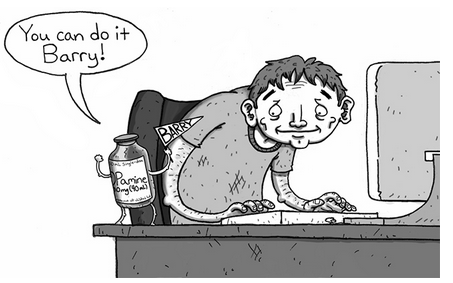
Misconception: Dopamine has a great deal to do with feeling happy, such as drinking, drug use, gambling, or coding.
Fact: Dopamine's function is closely linked to expected rewards; compared to fun, rewards better motivate programmers to code.
2. Coders are right-brain thinkers
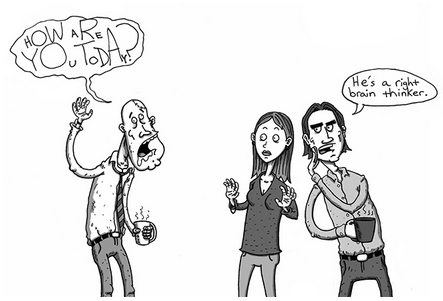
Misconception: They are both right-brain and left-brain thinkers. Coders typically use the right brain more.
Fact: No one thinks using both the right and left brain.
The two hemispheres of the brain are inextricably linked, interdependent, and each part has a substantial thought process.
3. We only use 10% of the brain
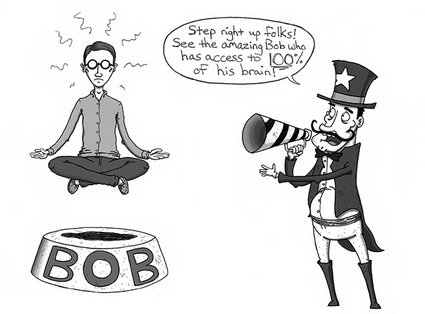
Misconception: The brain has as much as 10 times its capacity. Imagine if you could make the brain know how to code while resting; it is not impossible.
Fact: Generally speaking, every part of the brain has its use.
4. Better code can be written under pressure, because the brain responds better under pressure
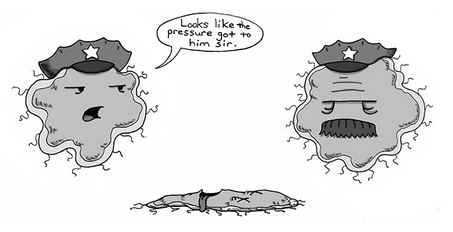
Misconception: The pressure of coding deadlines makes the brain perform better. This is also what we often say: "People can grow quickly under pressure."
Fact: Long-term or habitual stress can kill a large number of brain cells. Working under forced pressure can cause memory loss, and this generally happens to people who are very talented in a certain field.
5. We can learn new things, because the brain is regularly exercised

Misconception: Plasticity means that with rich experience, the brain can change one's entire destiny.
Fact: Since the 19th century, the brain (ideas) has been constantly changing. "Plasticity" is often used to cover a variety of neural functions, referring to the possibility and room for a person to continue being cultivated and transformed.
6. Men and women code differently, because their brains are completely different
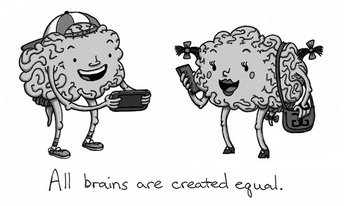
Misconception: Male and female brains are very different at birth, which influences their different skills and career choices.
Fact: There is currently no convincing evidence that there are significant differences between male and female brains.
7. The story of code is supported by brain-related research
Misconception: Anything can be related to the brain, such as images, text, or "research"; this is possible.
Fact: Brain research often selectively supports a particular theory.
Original English from: Attendly