A byte is a unit of measurement that indicates the amount of data. It is a unit used in computer information technology to measure storage capacity. Typically, one byte equals eight bits.
A character refers to letters, numbers, words, and symbols used in computers, such as 'A', 'B', '$', '&', etc.
Generally, in English mode, a letter or character occupies one byte, and one Chinese character is represented by two bytes.
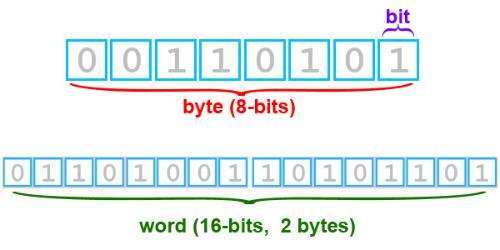
Bytes vs. characters:
- In ASCII code, one English letter (case-insensitive) is one byte, and one Chinese character is two bytes.
- In UTF-8 encoding, one English character is one byte, and one Chinese character is three bytes.
- In Unicode encoding, one English character is one byte, and one Chinese character is two bytes.
- Punctuation: English punctuation is one byte, and Chinese punctuation is two bytes. For example: an English period.occupies 1 byte, while a Chinese period。occupies 2 bytes.
- In UTF-16 encoding, storing one English letter character or one Chinese character requires 2 bytes (some Chinese characters in the Unicode extension area require 4 bytes).
- In UTF-32 encoding, storing any character in the world requires 4 bytes.